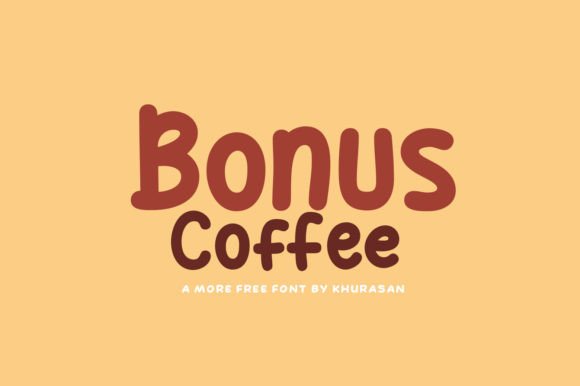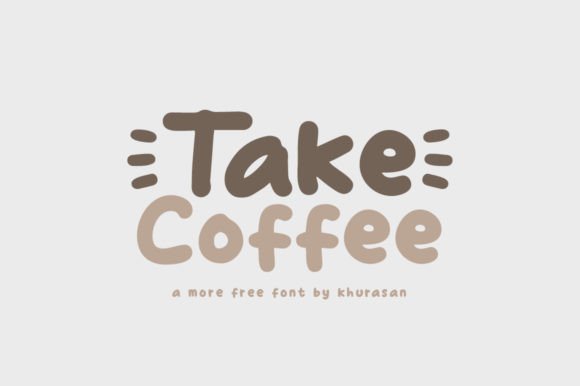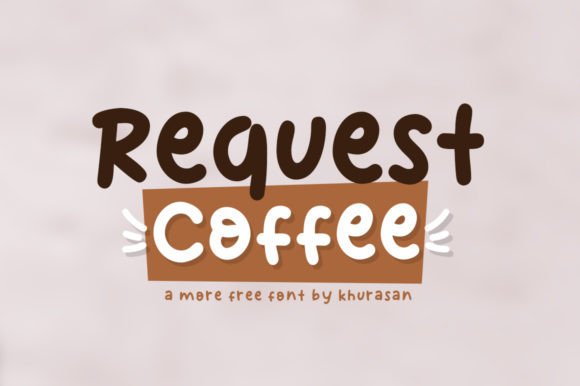
Request Coffee Font: A Modern Display Typeface for Digital Design
Request Coffee is a modern and fancy display font perfect for posters, logos, magazines, book covers, banners, and many more — and as a web designer who ships high-conversion landing pages and brand-forward digital products, I reach for Request Coffee when I need elegance with instant readability. It’s not just another decorative script; it’s a carefully crafted display font that balances playfulness and polish, making it one of the most versatile Freebies in today’s Fonts landscape — especially for designers building intentional, human-centered web experiences.
Request Coffee for Hero Sections and Landing Page Headlines
Request Coffee shines brightest where first impressions matter most: hero sections. Its soft curves, generous spacing, and gentle contrast give headlines immediate warmth and approachability — critical for SaaS onboarding pages, coaching websites, or boutique e-commerce launches. Unlike overly ornate script fonts that blur at scale or vanish on mobile, Request Coffee maintains legibility even at 48px on retina displays. Pair it with a clean sans serif like Inter or Manrope for body copy, and you instantly establish visual hierarchy: Request Coffee commands attention, while your supporting typeface ensures scannability and trust. Use it for short, benefit-driven headlines (“Your Brand, Beautifully Typed”) — never long paragraphs. As a display font, it’s built for impact, not endurance.
Request Coffee for Logo Design and Brand Identity Systems
Request Coffee is a modern and fancy display font perfect for posters, logos, magazines, book covers, banners, and many more — and its personality makes it an exceptional choice for logo design in lifestyle, wellness, creative agency, or indie publishing brands. The letterforms carry subtle rhythm and organic flow without sacrificing structure: lowercase “a” and “g” have friendly, open shapes; capitals stand tall but never stiff. When exported as SVG or embedded via @font-face, Request Coffee renders crisply across browsers and devices — no pixelation, no fallback surprises. For brand kits, use it consistently across favicons, social bios, email headers, and app splash screens. Since it’s among the most thoughtful Freebies in current Fonts collections, it’s ideal for early-stage founders testing visual identity before committing to premium licensing.
Request Coffee for Online Store Banners and Product Launch Graphics
When designing banners for Shopify stores, Etsy shops, or digital product launches, Request Coffee adds instant charm without compromising clarity. Its medium weight and balanced x-height ensure strong contrast against textured backgrounds or soft gradients — whether overlaid on hero images or floating over solid color blocks. I’ve used Request Coffee for limited-edition drop announcements (“Summer Edit — Now Live”), subscription box headers (“Your Monthly Dose of Delight”), and even micro-CTA buttons (“Grab Yours”). Just remember: keep it large (min. 32px), limit line length to 6–8 words, and always test contrast ratios — especially on dark mode interfaces. As a display font, it’s not meant for cart totals or policy links, but for moments where emotion drives action.
Request Coffee for Blog Headers and Editorial Web Design
Request Coffee is a modern and fancy display font perfect for posters, logos, magazines, book covers, banners, and many more — and that “magazines” and “book covers” cue tells you everything about its editorial temperament. In blog headers, newsletter subject lines, or featured post cards, Request Coffee signals thoughtfulness and craft. It pairs beautifully with serif body fonts like Lora or Playfair Display for long-form reading, or with neutral sans serifs for minimalist publications. On responsive layouts, I serve Request Coffee only to desktop and tablet breakpoints (via CSS media queries), swapping to system fonts on mobile to preserve performance — a smart compromise for any Fonts asset used in production. As one of the few truly usable Freebies with strong typographic voice, it helps small blogs stand out amid algorithmic sameness.
Request Coffee for Digital Ads and Social Media Graphics
In fast-scrolling environments — Instagram carousels, Facebook lead ads, Pinterest pins — Request Coffee delivers standout recognition in under two seconds. Its distinctive “R”, “C”, and “e” shapes create memorable letterform anchors, helping your message stick even when cropped or scaled. Because it’s a display font, it avoids the fatigue of overused handwritten fonts while feeling more personal than generic sans serifs. For best results: export static graphics with Request Coffee rasterized at 2x resolution, or embed as webfont only in HTML5 ad units. Always verify commercial usage rights — most Freebies allow web and social use, but check license terms for client work or template resale. This isn’t just another pretty Fonts download; it’s a conversion-ready design decision.
Request Coffee for Portfolio Websites and Creative Freelancer Branding
If you’re a UI designer, illustrator, or motion artist showcasing work online, Request Coffee communicates creativity without shouting. I use it for portfolio site navigation labels (“Work”, “About”, “Contact”), project category tags (“Branding”, “Web Design”, “Editorial”), and even animated hover states (with letter-spacing transitions). Its light bounce and consistent stroke width translate well into CSS transforms and scroll-triggered reveals. For accessibility, I pair it with high-contrast sans-serif fallbacks and always provide alt text for image-based headings. As a display font, Request Coffee elevates perceived expertise — clients see intentionality in every typographic choice. And because it’s a trusted Freebies option in active Fonts communities, it’s low-risk to adopt while maintaining professional credibility.
Request Coffee Font Pairing Tips for Web Designers
Request Coffee works best when contrasted — not matched. Avoid pairing it with other decorative or script fonts. Instead, anchor it with highly legible, neutral companions: Inter for UI components, Source Sans Pro for forms, or IBM Plex Serif for editorial depth. Never use Request Coffee for body text, form fields, or navigation menus smaller than 20px. Its sweet spot is titles, quotes, feature highlights, and branded accents. If your project supports variable fonts, check whether this Fonts release includes optical sizing or alternate glyphs — many modern Freebies do. And always verify file formats: WOFF2 for web, OTF/TTF for design tools, and licensing clarity for client deliverables, SaaS dashboards, or white-labeled templates.